

Wasps & Problem Wasp Nests
The common British wasp lives in colonies, they grow throughout the summer months. They can bring about serious alarm when present in larger numbers or when colonies are nearby people. Thousands of wasps can serve a single queen. Their nests can be concealed in hard-to-reach locations. These include underground or in cavities in properties or loft spaces. Wasps react aggressively to being disturbed. They can attack in swarms in this circumstance and are likely to inflict a very painful sting. In some cases this may be life-threatening to those with allergies which can be fatal. Under no circumstances should any person but a qualified pest controller attempt removal of a wasp nest.
Identification
This is rarely an identification problem with wasps. They have a black and yellow abdomen pattern, black head and thorax, six legs and heavily-veined wings. An adult wasp is comparable in size to a worker honey bee at 12-15mm in length. Queens are larger, at around 20mm.
What Is The Difference Between Wasps And Hornets?
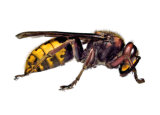 Hornet
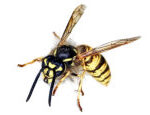
Wasp
Hornets are much larger than wasps at 20-30mm. Wasps are black and yellow with little hair. Hornets on the other hand are more normally chestnut brown and yellow with some hair. Wasps tend to feast on food waste. Also sugary substances and some insects. Wasps swarm when provoked. Hornets mainly feed on insects and do not swarm. Wasps are quick to sting and can sting repeatedly, and are commonplace in late summer. Hornets usually sting only when provoked and are seen between May and September.
Wasp Nest Removal And Treatment
Never ever tackle a wasps’ nest yourself. Wasp nest removal must only ever be dealt with by an experienced and qualified pest controller. They have the right protective clothing and the correct professional strength extermination products. One visit is normally enough to exterminate a wasp nest colony.
If you are in need of wasp nest pest control just speak to us.